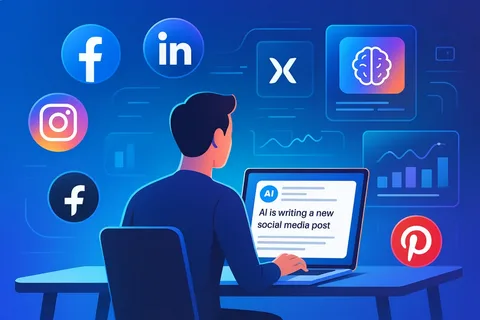
Effective Social Media Campaign Ideas for Higher Engagement

Social media has changed how companies interact with their consumers. Companies now depend on creative campaigns to enhance brand awareness, engagement, and consumer relationships. A good campaign could help a company gain more visibility, foster discussions, and achieve better results. According to recent market analysis, companies that have captivating social media campaigns usually have loyal customers and rapid growth online.
Current audiences seek interactive, fun, and useful content from brands. Just posting regular promotional material is not enough to draw the attention of today’s consumers. It is essential for companies to come up with new ways to engage and interact with their audiences. From my research, campaigns that tell stories and engage the audience outperform other types of marketing techniques.

Understanding the Importance of Social Media Engagement
One of the main measures of the success of social media marketing efforts is engagement. Engagement includes liking, commenting, sharing, saving, and clicking on the content posted. The level of engagement shows how relevant the content is to the target audience. Companies that achieve high levels of engagement tend to build brand authority and trust among their customers.
According to my research, engagement is an essential determinant of how algorithms on social media sites work. Social media platforms like posts that have many active engagements since they help keep users engaged for longer periods. Therefore, highly-engaging campaigns will attract more users organically without requiring significant amounts of money spent on advertisements.
The third critical factor is the audience connection. The audience tends to follow brands that engage them emotionally and respond to their interests. Emotional connections make people remember a brand and interact with its posts repeatedly. Organizations should understand the behavior of their followers and craft campaigns based on their preferences.
Creating Story-Driven Campaigns
Storytelling is one of the most powerful tools to enhance audience engagement on social media platforms. This method is popular due to its ability to evoke emotional responses in people as well as increase memorability of the material. Companies may engage in storytelling by presenting brand values, customer experiences, and other aspects of the business.
According to my studies, campaigns involving relevant stories tend to perform well regarding audience engagement metrics. Stories may be about successes of customers, employees, or the inspiration behind an offering from the company in question. These stories bring humanity into the brand and increase audience engagement.
Finally, visual storytelling is crucial for the effectiveness of a campaign. Visual materials, videos, reels, and even carousel posts may be a powerful means of conveying key messages to the target audiences. Companies need to concentrate on creating content that is able to catch people’s attention at once. Video content should particularly be taken into account.
Leveraging User-Generated Content
User-generated content campaigns are yet another way for businesses to increase engagement. Such campaigns aim at encouraging customers to generate content about the brand. The content generated could take the form of testimonials, photos, reviews, or videos. According to market research, consumers find user-generated content campaigns more credible and authentic compared to conventional forms of advertisements.
Hashtag campaigns by brands can be used to encourage customers to create and share content on a particular topic. Brands may encourage consumers to post images featuring the product or even challenge consumers with some creative tasks. Hashtag campaigns not only promote engagement, but they also contribute towards building a community around the brand. Brands can use an Instagram reel maker tool to turn customer experience into compelling short-form videos.
Such campaigns help companies to reach out to broader audiences through organic means. Users may end up sharing content associated with the brand with their followers, thus exposing the brand to newer audiences. As far as I am aware, this approach can help businesses improve their outreach without investing much in their marketing budget.
Running Interactive Campaigns
Interactive campaigns invite people to take part in an active role rather than just being passive consumers of the information presented. Examples of interactive content include polls, quizzes, contests, and even challenges. Such activities engage the audience and make them feel more involved.
After my research, interactive campaigns are especially popular and effective on social media such as Instagram, Facebook, and TikTok. Both polls and quizzes provide companies with valuable insights about their audience while making the interaction process entertaining for them. Contests may be useful since they can motivate participants with prizes or something else.
It is important for brands to keep the process of engagement entertaining and straightforward. Otherwise, it may result in the failure to involve any user in discussions about products.
Collaborating With Influencers
Influencer partnerships have gained importance in the social media marketing approach. Influencers have already earned the trust and respect of their followers. Collaborating with the right influencer would allow companies to engage their target audience in a better way.
According to market research, people tend to believe influencers’ recommendations more than direct marketing by brands. Companies need to find influencers whose followers match the company’s target audience. True partnerships work well since followers can easily distinguish a true partnership from one that seems fake.
Micro-influencers have started gaining popularity in engaging marketing campaigns. Micro-influencers usually have fewer followers but very loyal ones. Therefore, micro-influencers offer better engagement rates compared to other types of influencers. In my opinion, companies get better results using niche influencers rather than celebrities.
Personalization in Social Media Campaigns
Personalized campaigns provide more relevant experiences for their audience. People tend to respond better to personalized messaging since it gives them a feeling of relevance. Business owners can use audience analysis tools and data to learn about their customers’ habits and tailor their campaigns accordingly.
Another factor that makes it easier for marketers to create personalized campaigns is the availability of AI-based software. According to market research, many companies are utilizing social media post generators to generate personalized ideas, captions, and images. The results of such personalization have been found to be much more successful in terms of achieving conversions and gaining engagement.
Personalization can be done via segmenting your target audiences into different categories based on certain factors.
Maintaining Consistency Across Platforms
One aspect that helps build solid engagement is consistency. Companies must have an identifiable brand voice, visual image, and schedule of posting on all social media sites. Messaging will be consistent and will enable people to identify with and remember the brand.
As far as my experience goes, inconsistent posting can make the brand uninteresting to its followers and impact how the algorithms perform. Brands must plan out their content using scheduling tools that make it easier to maintain a consistent brand presence.
Consistency is also required when engaging with followers through social media. Interacting with comments, messages, and mentions will allow brands to show their followers that they value them.
Measuring Campaign Performance
Social media campaigns will always demand analysis and refinement. It is advisable for business firms to analyze various parameters like engagement levels, reach, impressions, clicks, and growth in audiences. This information can assist in knowing what works best and areas that need improvement.
From my research, campaigns that involve analytics work better than those that are driven by presumptions. Analytics can provide important information regarding audiences’ tastes, preferences, content performance, and overall campaign effectiveness.
Lastly, testing can be used to enhance performance levels through the use of trial-and-error techniques in terms of content types, captioning, posting times, and campaign themes.
Conclusion
Successful social media marketing requires creativity, persistence, and knowledge about the audience. In the current environment, the key to successful implementation lies in engaging people rather than selling a product or service.
According to statistics, those businesses that care about communication and customer participation gain better visibility and customer loyalty.
Social media is constantly developing, which makes it necessary for businesses to keep track of trends and changes to stay up-to-date.
As far as my knowledge goes, firms that spend time analyzing their target audience and coming up with creative ideas will always stay one step ahead of others in the digital sphere.