Understanding Green Building Ratings Under the BREEAM System
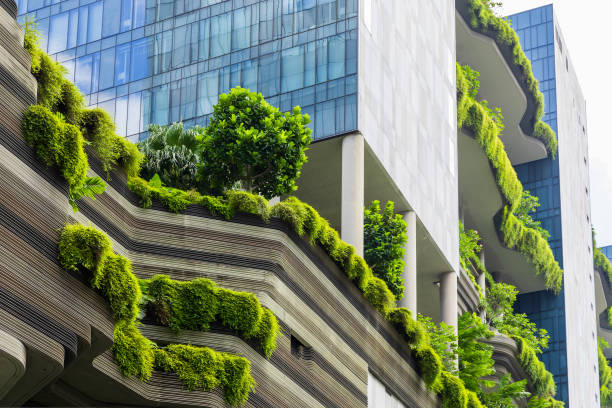
Sustainability has become a major focus in modern construction. Nowadays, buildings are not just evaluated on their price or aesthetic appeal. People nowadays worry about their waste output, energy use, and influence on the environment. BREEAM is among the most often used systems for evaluating the environmental performance of buildings. Building Research Establishment Environmental Assessment Methodology is what it means. Through organised criteria and grading, it enables one to assess the degree of environmental friendliness of a property.
To find out how well their projects satisfy sustainability criteria, developers and architects frequently depend on the BREEAM Assessment Criteria. These standards address general environmental effects, pollution control, water efficiency, materials, and energy use. BREEAM ratings contribute to the development of more sustainable, more efficient, and healthier buildings. They also help construction companies to make better decisions for the good of people and the environment.
What is BREEAM
BREEAM is a rating system that assesses a building’s level of sustainability. It examines several critical factors influencing environmental quality. Among these are waste management, energy use, water consumption, and construction supplies. It also takes indoor air quality and environmental effects into account. Every category is thoroughly evaluated and assigned a score. The aggregate score establishes the building’s ultimate grade. This system aids developers in comprehending how well their structure operates in relation to environmental norms.
Varying Levels of BREEAM Scores
BREEAM shows how sustainable a building is using a straightforward rating scale. The ratings span from “Pass” to “Outstanding”. A Pass rating indicates simple adherence to environmental rules. A Good grade denotes improved performance. Good and excellent ratings reflect significant efforts toward sustainability. Buildings that satisfy great environmental criteria receive the highest level, Outstanding. Investors, developers, and renters may better grasp how environmentally friendly a building truly is via these rankings.
Energy Conservation and Environmental Effects
The BREEAM system places a high value on energy efficiency. Lighting, heating, and cooling all consume a lot of energy in buildings. BREEAM promotes the development of energy-efficient technology. This covers insulation systems, LED lighting, and renewable energy sources, including solar panels. Using less energy lowers carbon emissions. It also lowers long-term running expenses for building owners. In addition to being more environmentally friendly, efficient buildings are also more cost-effective over time.
Water Use and Waste Management
BREEAM also pays attention to how structures handle water and garbage. Water management is crucial as it lessens strain on limited resources. Low-flow fixtures, rainwater collecting systems, and well-designed plumbing are all recommended for structures. Another important factor is waste management. Construction projects are evaluated according to their material recycling, reuse, and reduction capabilities. Good waste management lowers landfill consumption and promotes a healthier environment.
Sustainable Building Materials
The materials used to build a structure significantly impact its sustainability. BREEAM promotes the utilisation of responsibly sourced and environmentally friendly materials. This encompasses low-impact concrete alternatives, recycled steel, and wood sourced responsibly. Using eco-friendly materials helps to lessen the impact of construction on the environment construction has. Additionally, enhancing the long-term structural integrity of buildings. Contractors are urged to think about how long materials last, from the time they are made to the time they are thrown away.
Indoor Environment and Health Advantages
BREEAM assesses the quality of the indoor environment as well. This covers noise levels, air quality, natural illumination, and temperature regulation. For those living or working in the building, a clean indoor environment raises comfort and output. Good ventilation systems lower pollutants and boost air flow. Natural light improves the mood and lowers the need for artificial lighting.
Why Modern Buildings Rely on BREEAM Ratings
Modern construction projects now include BREEAM ratings as a vital component. They verify for developers that their structures satisfy environmental criteria. Good ratings raise the value of real estate and draw renters who care about the environment. They also enhance the construction industry’s reputation. Investors and governments find sustainable structures particularly appealing for long-term growth initiatives.
Conclusion
Promoting sustainable building techniques depends much on the BREEAM system. It provides a clear and organised approach to evaluating and enhancing the environmental impact of buildings. Every facet, from energy efficiency and water management to materials and indoor air quality, is thoroughly evaluated against the BREEAM Assessment Criteria.